BeautyPlus-Selfie Photo Editor
- 4.6
- Rating
- 500.00M
- Installs
- Free
- Price

 Analysis by App-foxy
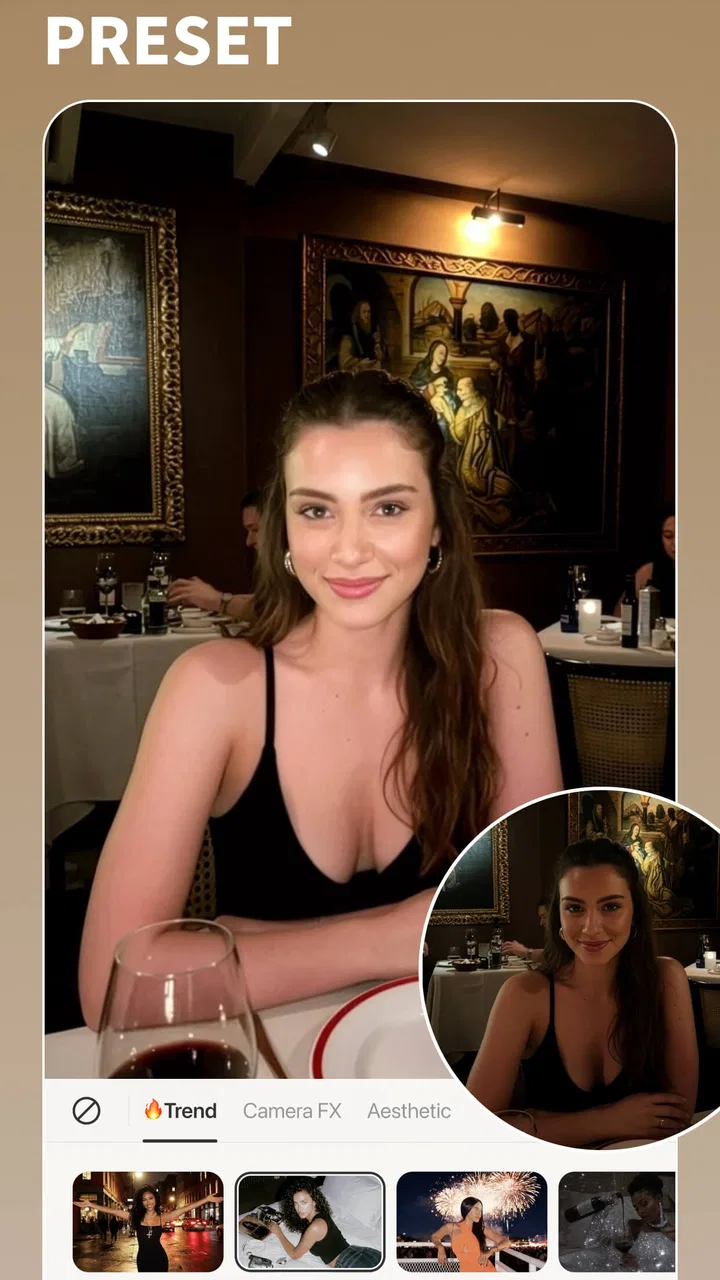
I opened BeautyPlus-Selfie Photo Editor expecting a quick selfie tool, but it feels more like a compact editing studio built around portraits. It sits in the photography category, and its main appeal is simple: you can take a picture, improve it quickly, and decide how much editing is enough before sharing it. I like that straightforward workflow because it suits the way most people actually use a phone camera—capture a moment first, then fix the small things that distract from it.
The app is free to download, with optional in-app purchases ranging from a small amount to a much higher premium purchase. That makes it easy to try without committing money immediately, although you should pay attention to any upgrade screen before confirming a purchase. Its content rating is Everyone, and the current version is 7.31.0. PIXOCIAL TECHNOLOGY (SINGAPORE) PTE. LTD. is the developer behind it.
Its popularity is substantial: it has passed 100 million installs and holds a 4.6 average from around 5.1 million ratings, alongside roughly 32 thousand written reviews. Those figures tell me that the app has become a familiar choice for casual portrait editing, but popularity alone does not make every tool suitable for every person. The important question is whether its automatic approach gives you useful control without pushing your photos into an artificial look.
You May Also Like

 Pandora - Music & Podcasts
Pandora’s Music Is Easy to Start, but Harder to Recover
Pandora’s strength is its low-effort path from a seed to a station. Its weak spot is how much confidence it asks you to place in connection, setup, and quiet recovery.

 8 Ball Pool
 Is Built on Rivalries, Rematches, and Routine
A close look at the rivalries, rematches, shared routines, and unanswered safety questions that turn a quick pool match into a persistent mobile community.

 Samsung Music
’s Quiet Strength Is Playing What You Already Own
Its reach comes less from spectacle than from dependable access to a personal library. That simplicity is both the app’s strongest retention engine and its ceiling.

 AccuWeather: Weather Radar
AccuWeather Review: A Quick, Clear Forecast for Everyday Decisions
For everyday plans, the best forecast is the one you can understand quickly. AccuWeather makes rain timing, radar, and local conditions easy to act on, with a few trade-offs.

 Hill Climb Racing
Why Hill Climb Racing Still Turns Crashes Into One More Run
A tiny car, a bumpy hill and one more upgrade: Hill Climb Racing keeps resurfacing because its simple chaos makes every near-miss feel personal.

 AliExpress - Shopping App
AliExpress Makes Global Shopping Feel Personal, but Shoppers Bear the Risk
AliExpress turns a global marketplace into a pocket-sized discovery engine. Its reach is useful, its shopping loop compelling, and its trade-offs easy to miss.
More From Our News Desk
View All News


What using BeautyPlus feels like in everyday photography
I find BeautyPlus most useful when I treat a selfie as a small sequence of choices, not a button press: pick the best frame, make a restrained adjustment, then check the whole image before saving. That routine keeps quick edits from turning into a different-looking portrait. It also makes the next step clearer: a few settings and habits can help me get consistent results without adding much time.
A fast starting point for selfies
The strongest part of the experience is the short distance between opening the camera and getting a presentable result. Instead of requiring a long editing session, the app is designed around immediate portrait improvement. That is especially useful when I want to send a photo to a friend, update a profile image, or post a casual picture without opening a more complicated editor.
Automatic enhancement is convenient, but I would not treat it as a final answer. A one-tap result can make skin look too smooth or facial details less natural, particularly when the original lighting is already soft. My preferred workflow is to use the automatic adjustment as a starting point, then reduce anything that makes the image stop looking like me. That small pause is the difference between a polished selfie and a visibly processed one.
A realistic example is getting ready for a video call or meeting a friend after work. I might take several quick photos in uneven indoor light, choose the expression I like best, and use the editor to tidy the overall appearance rather than rebuild my face. BeautyPlus is well suited to that situation because speed matters more than technical control.
Where it differs from a conventional photo editor
Traditional photo editors usually begin with exposure, contrast, color, cropping, and other image-level adjustments. BeautyPlus puts the person in the frame first. That makes it more approachable for someone who does not want to learn curves, masks, or complex retouching tools, but it also means it is not my first choice for landscapes, product photography, architecture, or images where accurate texture and color matter more than appearance.
Compared with a basic phone gallery editor, it offers a more portrait-focused way to refine a selfie. Compared with a professional editor, it is quicker but less suited to careful, repeatable correction. If I am preparing a photo for a formal portfolio or need identical edits across a large set of images, I would rather use a tool built around manual consistency. For a single social photo, however, that extra complexity can be unnecessary.
The most useful editing habit: edit in stages
I get better results when I separate the edit into three decisions. First, I choose the best original image rather than trying to rescue a weak expression. Second, I apply the lightest useful enhancement. Third, I inspect the eyes, hairline, skin texture, and background at normal viewing size before saving. This prevents the common mistake of judging an image only while zoomed in, where every adjustment seems more impressive than it will look on a phone screen.
Another practical tip is to compare the edited result with the original before sharing. Portrait tools can improve uneven lighting while also changing details you did not intend to change. I pay particular attention to the edges of glasses, earrings, hair, and patterned clothing. These areas reveal over-processing more quickly than the center of the face.
Trust starts with visible choices
Because this is a camera and photo-editing app, I would use it with the same care I apply to any service that handles personal images. I look at what the app asks me to allow, whether a permission is needed for the action I am trying to perform, and whether the screen gives me a clear choice rather than rushing me through an approval. I do not grant access automatically just because a feature appears convenient.
The most sensible approach is to enable only what is necessary for the task in front of me. Taking a selfie requires camera access, while selecting an existing picture involves access to photos or media on the device. If I am only experimenting with editing, I avoid giving broader access than I need. On both Android and iOS, I would revisit those permissions later through the phone’s settings instead of assuming the first choice must remain permanent.
I also separate editing convenience from sharing. Improving a picture inside the app does not mean I have to publish it, upload it, or connect it to another service. I prefer to finish the image, save or export it in the way I understand, and share it myself through the destination I choose. That habit keeps the decision about where a personal portrait goes in my hands.
What to check before using personal photos
Selfies can contain more information than people notice: faces, children in the background, house numbers, workplace details, location clues, or documents reflected in a mirror. Before importing a picture, I quickly scan the entire frame, not just my face. If the image includes someone else, I consider whether I should crop them out or ask permission before sharing the result.
I am also cautious when an app presents an appealing effect that appears to require an account, a cloud-based process, or a broader permission. I read the explanation on screen and look for a skip, cancel, or local alternative when one is available. I would not assume that every editing action works in the same way behind the scenes, so I make choices based on the wording and controls shown at that moment.
For particularly sensitive images, I would use a simpler editor that keeps the process clearly on the device, if that is the priority. BeautyPlus is convenient for ordinary selfies, but convenience should not override the sensitivity of the picture. A private family image, an identity document, or a photo taken in a confidential workplace deserves a more cautious workflow than a casual portrait intended for friends.
Managing the pressure to look perfect
The app’s automatic beauty focus can be helpful, but it can also encourage unnecessary correction. I think the healthiest way to use it is as a finishing tool rather than a replacement for your real appearance. I use adjustments to handle distracting light, temporary blemishes, or a small composition issue, then stop before the image loses the features that make it recognizable.
This matters especially when editing photos for professional or social situations. A heavily altered profile picture may look attractive at first but create an awkward gap between the image and the person others meet. For a work profile, application, or identification-related context, I would keep the result restrained and check whether editing is appropriate at all. The app is better for expressive personal photography than for situations that require strict authenticity.
Who will appreciate it most
I would recommend it to someone who takes frequent selfies, wants quick improvements, and does not want to study a complicated editing interface. It is also useful for people who often photograph in ordinary indoor conditions and want a more flattering result without manually adjusting every image. The free starting point makes experimentation accessible, while the optional purchases leave room for users who want more from the editing experience.
It can also help a small business owner who needs a friendly headshot for a social page but does not have time for a full photo session. In that case, I would use a clean background, modest enhancement, and careful cropping. The app can make a casual portrait more usable, but it cannot replace good lighting, a natural expression, or a well-composed original photo.
Who should choose something else
I would skip it if my main goal were detailed manual photography work. Someone editing RAW images, matching colors across a product catalog, removing objects with exact precision, or preparing print material will likely want a more technical application. BeautyPlus is built around ease and portrait appeal, not the kind of controlled workflow where every adjustment must be measured and repeatable.
I would also be cautious if I dislike automatic beauty effects in principle. Even when the result looks attractive, the app’s central idea may not match what I want from photography. A standard gallery editor or a manual retouching tool could be a better fit for preserving texture and making only clearly defined corrections.
Handling upgrades and account decisions
Since the app is free but includes optional purchases, I would explore the basic experience before deciding whether anything paid is worthwhile. I would read the wording of each upgrade screen, check whether it describes a one-time purchase or a recurring arrangement, and confirm the final payment details through the operating system’s purchase screen. I would never tap through simply to dismiss an offer.
An account can sometimes make an app more convenient, but I would create one only if I understand what benefit it provides for my workflow. If I only need to edit a few local selfies, I would first see whether I can do that without adding another login. If I do sign in, I would keep the password unique and later review the account settings for available controls, connected services, and any option to remove the account or disconnect access.
Those checks are not reasons to avoid the app; they are normal safeguards for a tool centered on personal images. The best experience comes from knowing which actions are optional, which permissions are relevant, and which sharing decisions I am making myself.
Performance expectations and practical limits
The app supports devices running Android 8.0 or later, which gives it a broad range of compatibility on Android phones. Actual comfort will still depend on the phone, the size of the image, available storage, and how many editing effects are active. I keep some free storage available and close demanding apps when editing becomes slow, especially on an older device.
Large portrait files can also make saving and sharing less immediate than taking the photo itself. I prefer to keep the original until I am satisfied with the result, then create a separate edited copy. That protects me from making an aggressive edit and later discovering that I no longer have the untouched image available.
My approach to privacy and control
My trust in a photo app comes less from a polished interface than from the choices it exposes while I use it. I want clear permission prompts, understandable account options, and an obvious distinction between editing, saving, and sharing. I also want to be able to change my mind: revoke access in system settings, cancel a purchase before confirmation, and avoid publishing a picture simply because I opened an editing screen.
With BeautyPlus, I would make those checks part of my routine rather than treating them as a one-time setup task. Before using a new feature, I read its prompt. Before sharing, I inspect the final frame. Before paying, I review the purchase screen. Before keeping an account, I decide whether it genuinely helps me. These steps take little time and give me more control over a very personal type of content.
My final view after using it
BeautyPlus is a capable choice for fast, portrait-centered editing. I enjoy it most when I want a selfie to look cleaner and more balanced without spending several minutes on technical adjustments. Its broad reach, free entry point, and approachable style make it easy to understand why so many people use it.
My recommendation comes with a clear condition: keep the automatic effects under your control. Use them to support a good photo, not to erase every natural detail. Check permissions and account prompts carefully, treat personal images as sensitive, and review purchase screens before accepting anything. The best result is not the most altered face; it is the photo that still feels like you, only presented a little better.
For casual selfies, profile pictures, and quick social edits, I would happily suggest it to a friend. For precise professional retouching, privacy-sensitive images, or photography where manual control matters most, I would choose a different kind of editor. That balance is what makes the app useful: it is convenient and approachable, provided I remain the person making the final decisions.
FAQs for BeautyPlus-Selfie Photo Editor
01What features does BeautyPlus-Selfie Photo Editor offer?
BeautyPlus-Selfie Photo Editor offers a range of features designed to enhance selfies and photos. Users can access tools such as skin smoothing, blemish removal, teeth whitening, and eye enlarging. Additionally, the app provides filters, effects, and the ability to add makeup digitally. These features make it a versatile tool for anyone looking to elevate their photography.
02Is BeautyPlus-Selfie Photo Editor free to use?
While BeautyPlus-Selfie Photo Editor offers a free version with basic features, it also provides in-app purchases for premium tools and effects. Users can choose to subscribe to a premium plan for access to advanced editing options, additional filters, and ad-free usage. This flexibility allows users to tailor the app to their needs.
03How user-friendly is BeautyPlus-Selfie Photo Editor for beginners?
BeautyPlus-Selfie Photo Editor is known for its intuitive interface, making it accessible to beginners. The app guides users through its features with easy-to-follow instructions, and many tools are automated. This simplicity ensures that even those new to photo editing can achieve professional-looking results with minimal effort.
04Does BeautyPlus-Selfie Photo Editor affect photo resolution?
BeautyPlus-Selfie Photo Editor maintains high photo resolution during the editing process. Users can expect their images to retain quality, even after applying multiple edits and effects. However, saving options allow users to choose different resolutions, which can affect file size, so users should select settings that meet their needs.
05Is BeautyPlus-Selfie Photo Editor safe to use regarding privacy?
BeautyPlus-Selfie Photo Editor prioritizes user privacy and data security. The app requires access to photos and media files for editing purposes, but it does not store personal data without consent. Users are encouraged to review the privacy policy and permissions granted to ensure they are comfortable with data handling practices.
Pros
- Easy-to-use interface for quick edits.
- Wide range of filters and effects.
- Powerful retouching tools available.
- Supports high-resolution image saving.
- Regular updates with new features.
Cons
- Contains in-app purchases for premium features.
- Advertisements can be intrusive.
- Some features require a stable internet.
- Limited free storage for edited photos.
- Requires permissions that some users may find invasive.

BeautyPlus-Selfie Photo Editor
Gallery